From Our Executive Director
Perspectives on animal welfare, leadership, community and lifesaving.
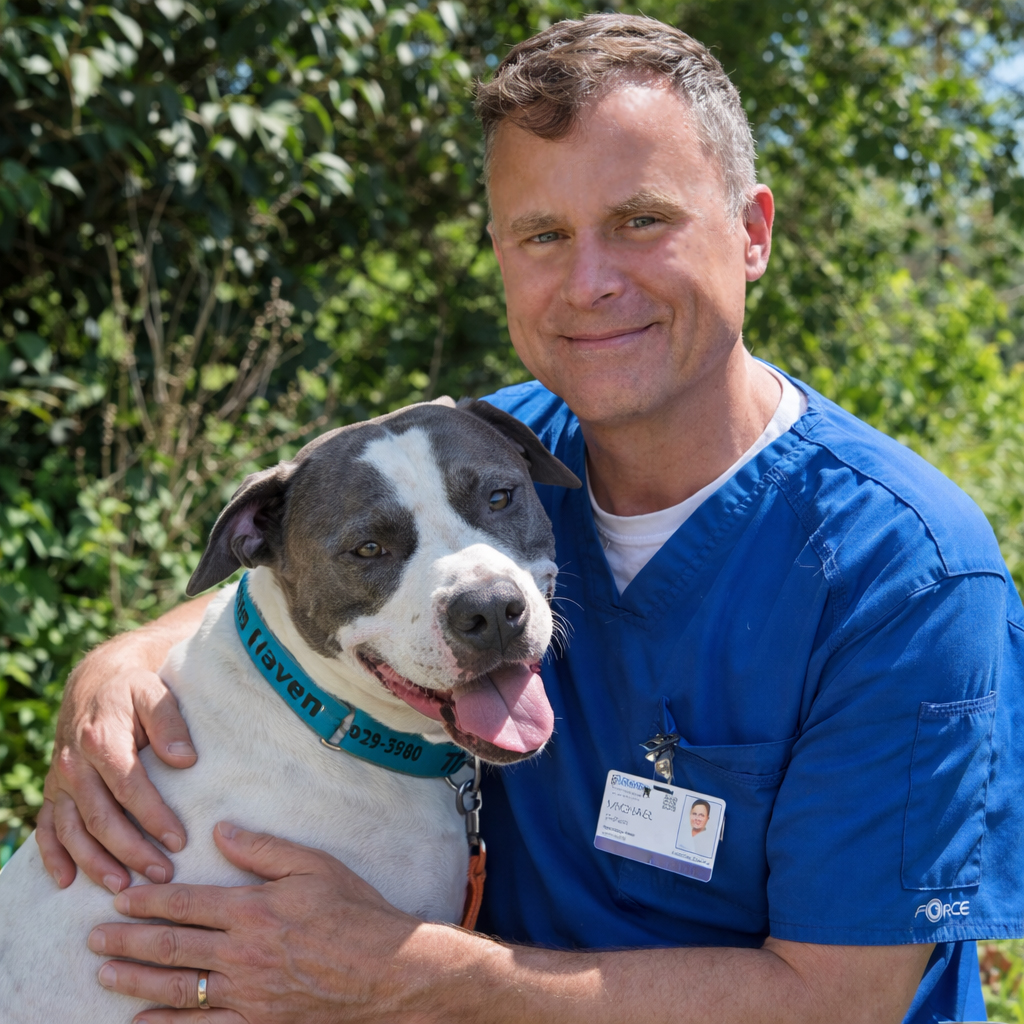
For more than two decades, Michael Graham has served as Executive Director of The Haven for Animals. Here, Michael shares personal perspectives from his work in animal welfare—the lessons learned, the lives changed, and the people and partnerships helping build a more compassionate community for pets and the people who love them.
Latest Perspectives
New posts from Michael Graham, Executive Director
Join Us for The Art of Rescue — Our 3rd Annual Tails of Hope Gala
Live music, great food, and a night of dancing — all in support of the lifesaving work happening at The Haven. Here's why I hope you'll join us.
The Best Shelter Intake is the One That Never Happens
Not every lifesaving story starts inside a shelter. Sometimes the best outcome for a pet is the help that keeps them home in the first place.
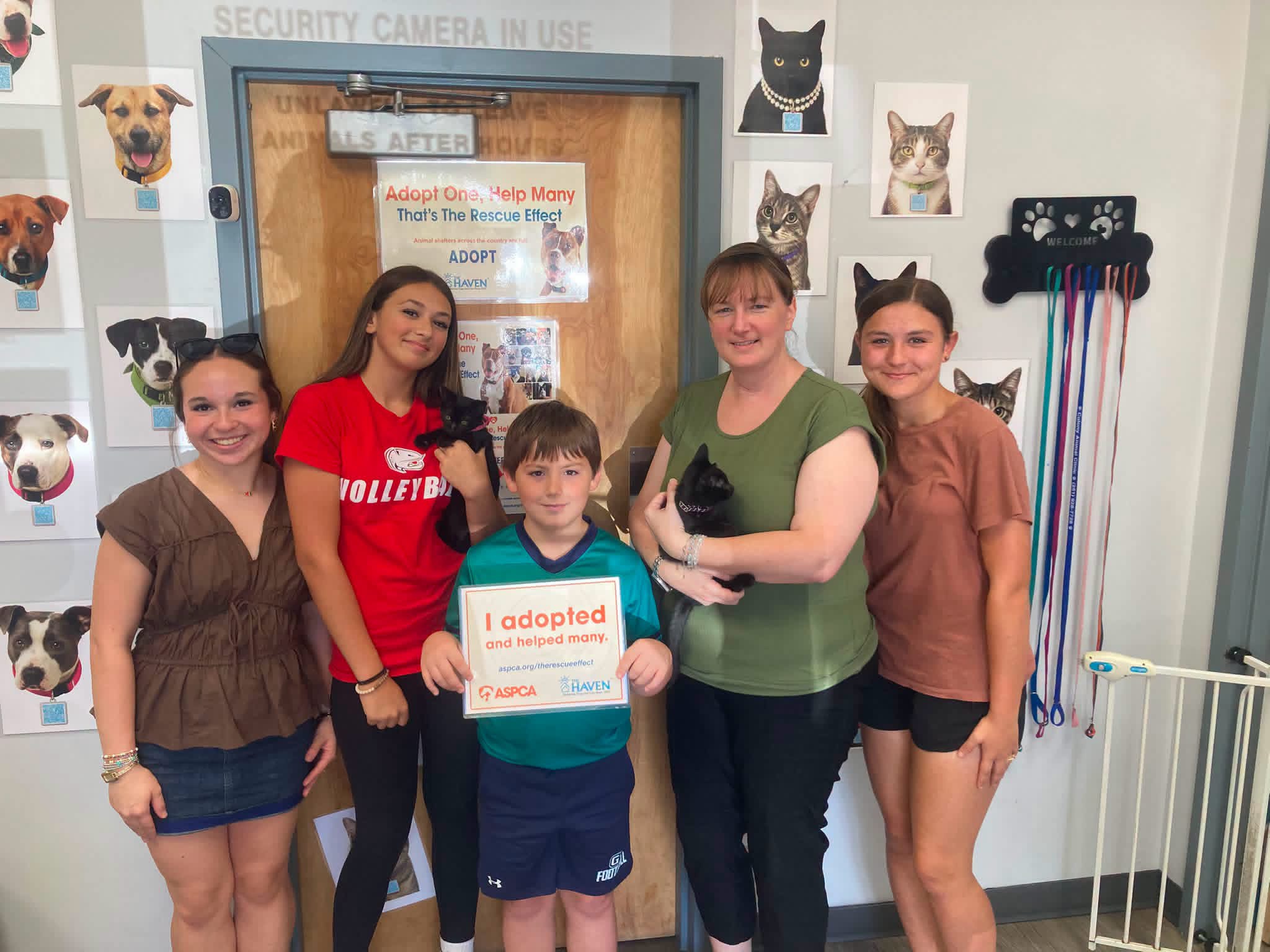
What Does a 98.36% Save Rate Really Mean?
After more than two decades in animal welfare, I know a save rate isn't created at the end of the year — it's built one decision at a time. Here's what our 98.36% save rate really means to me.
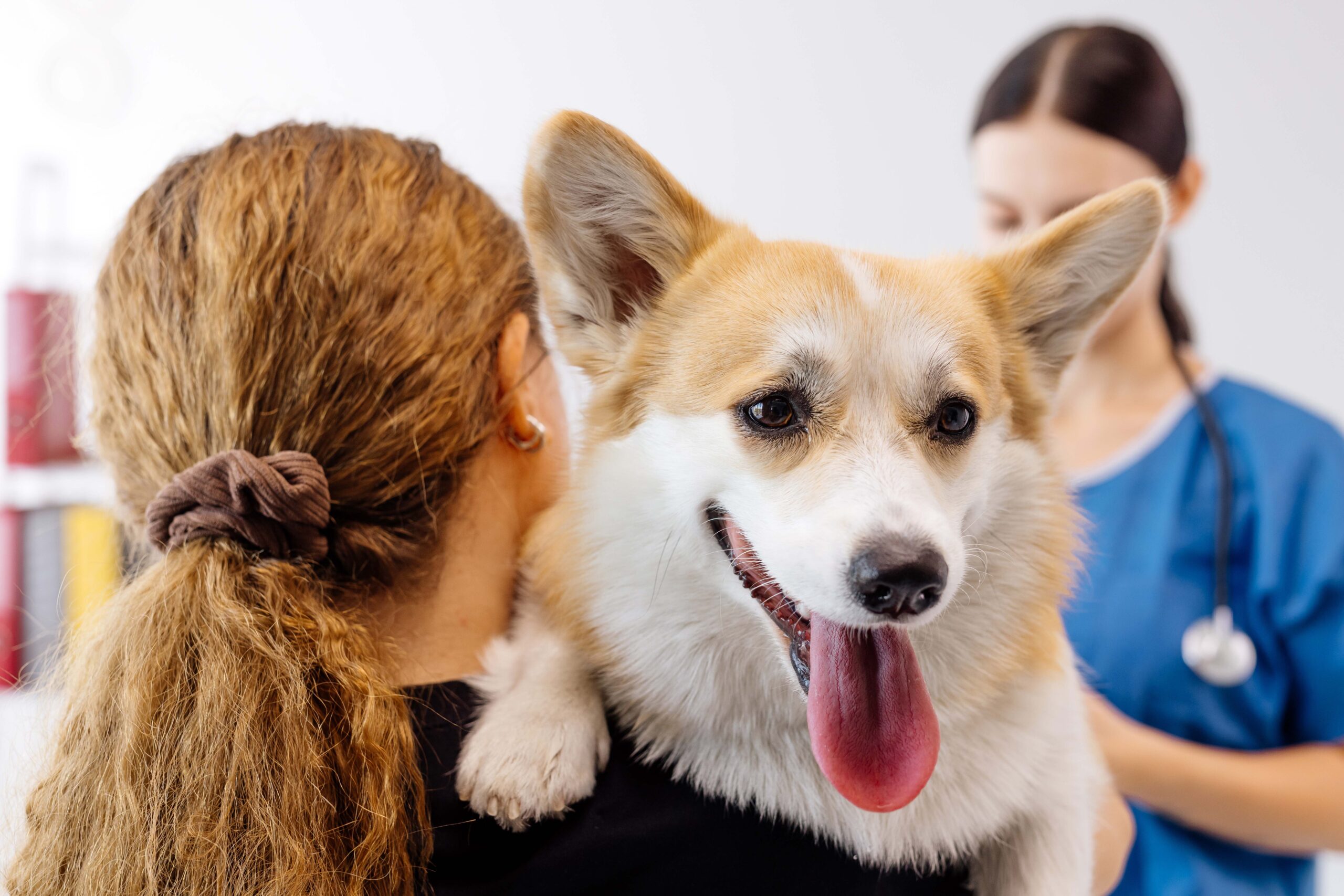
Sometimes Saving a Pet Means Helping the Person
One of the best ways we can save an animal is to keep them from needing the shelter in the first place — and a lot of times, that means helping the person who loves them.

You Don't Have to Match Their Energy
After more than two decades in this work, I’ve learned that kindness and boundaries can exist together — and that I don’t have to match someone else’s energy to lead well.
Join Us for The Art of Rescue — Our 3rd Annual Tails of Hope Gala
Growing up in New Orleans, I learned early that a great cause and a great party don't have to be two different things.
I still remember the charitable events my family attended when I was young — live jazz, incredible food, and a dance floor that never seemed to empty out. We were there to support causes like the Audubon Zoo, but honestly, we were also just having the time of our lives. Somewhere between the music and the dancing, I learned that raising money for something you believe in can also be one of the best nights of the year.
That's exactly what I hope you'll experience with us on October 1st.
The Art of Rescue
This year marks our 3rd Annual Tails of Hope Gala, and we're calling it The Art of Rescue — because that's really what this work is. Every adoption, every foster placement, every spay/neuter surgery is its own small act of art, shaped by people who care enough to show up for animals who can't speak for themselves.
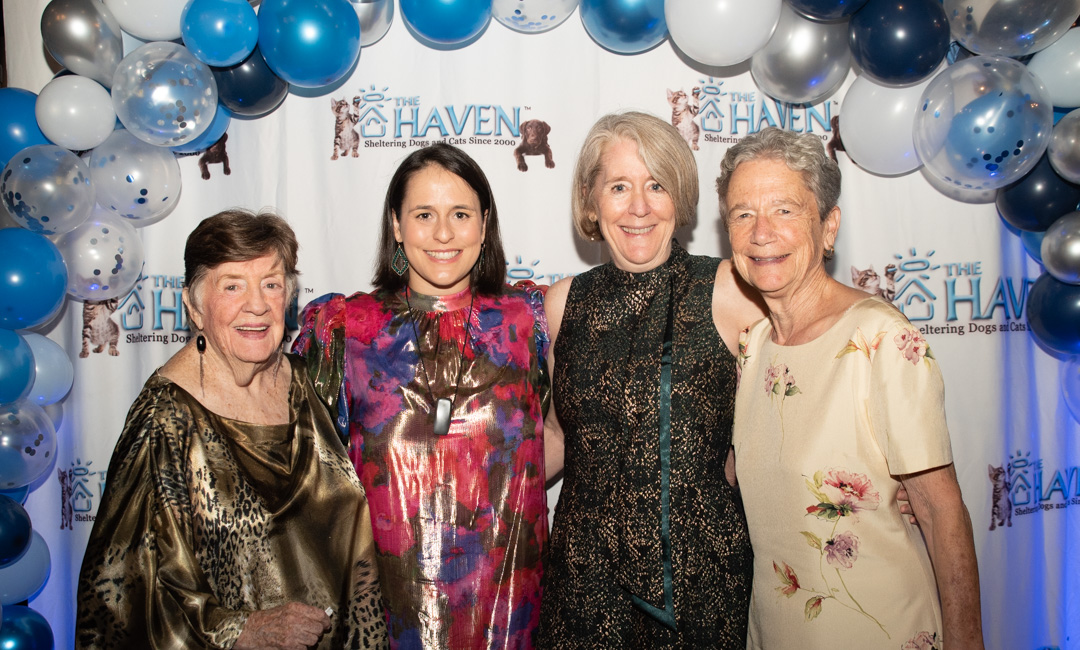
Join me, our Board of Directors, and friends of The Haven on Wednesday, October 1, 2026, from 6:00 to 10:00 PM at the Daphne Civic Center (2603 US-98, Daphne) for an evening built for celebrating.
We'll have live music from Mr. Big & the Rhythm Sisters, dinner catered by Tamara's, an open bar with a specialty cocktail from Tito's Handmade Vodka, dancing, and both a live and silent auction. The evening is presented by the Claudia Graf Charitable Foundation and Tamara's Downtown, two partners whose generosity makes a night like this possible.

Why it matters
I want to be honest about something: this isn't just a fun night out, even though it absolutely will be one. Every ticket, every auction bid, every dollar raised goes directly toward the programs that let us keep doing this work — Project PAWS (Pet Alteration & Wellness Services), our Fix'n Ferals trap-neuter-return program, and our adoption and foster programs.
Last year alone, The Haven and our partner, the City of Fairhope Animal Shelter, sheltered and cared for 804 cats and dogs. We celebrated 412 adoptions, placed 97 animals in foster homes, and reunited 91 pets with their owners. Our team performed 473 spay/neuter surgeries, and our community showed up with 28,872 volunteer hours.
I say this every chance I get, but it bears repeating: our shelter hasn't grown in size since the City of Fairhope built it back in 2000. Everything you just read happened inside the same walls, with the same square footage, because of people who decided to show up — as volunteers, as fosters, as donors, and yes, as gala guests dancing the night away for a cause worth celebrating.
Come dance with us
So here's my invitation, plain and simple: bring your family, bring your friends, bring your coworkers. Put on something you feel good in, get ready to bid on some incredible auction items, and come dance with us.
Some of the best nights of my life happened at events just like this one — nights where I didn't have to choose between having fun and doing something good. I hope October 1st becomes one of those nights for you, too.
We'll see you on the dance floor.
—Michael
The Best Shelter Intake is the One That Never Happens
When I began working in the world of saving the lives of pets in need in the early 2000s, the path to success was pretty straightforward.
An animal entered the shelter. We took care of them. We found them a home.
And look, it is still a huge part of what we do, as there is nothing more moving than witnessing a dog or cat leave the shelter with a loving family of their own.
But over the years, I have come to look at what determines success, and what that looks like, a little differently.
Today, the question I ask is: is the best outcome for the animal to never set foot inside an animal shelter at all?
I agree that may sound odd coming from someone who runs an animal shelter, but I believe it is where animal welfare has to continue heading.
Sometimes people just need a little help
Not all pet owners wake up one day and decide to surrender their pet to a rescue organization or animal shelter.
For most, it becomes a decision rooted in things like affording pet food or even veterinary care, like annual vaccinations. Some pet owners just need help getting their pet spayed or neutered. Other times, life simply throws pet owners something they weren't expecting.
For years, the traditional answer in animal sheltering was pretty simple: bring us your pet.
But wait. Think about that for a minute.
If someone loves their dog, the dog loves them, and a bag of pet food is the difference between that dog staying home or entering a shelter, what's the better outcome?
To me, the answer is easy.
Help provide them with pet food.
That's why these programs matter
At The Haven, programs like our Luke's Day Pet Food Pantry and Project PAWS (Pet Alteration & Wellness Services) are not separate from our lifesaving work. They are lifesaving work.
The same is true when we are helping community cats.
If we spay or neuter a cat and prevent litter after litter of kittens from being born, we are addressing the problem before those kittens ever need a shelter kennel, foster home, or adopter.
And every animal we can safely keep out of the shelter creates more room and resources for the animals who truly have nowhere else to go.
That is important because shelter capacity isn't just about how many kennels or cages you have.
Every animal that enters needs people.
They need to be fed. Kennels need to be cleaned. Dogs need to be walked. Cats need attention. Some need medication. Some need veterinary treatment. Some need weeks of behavioral work before they are ready for a home.
There are only so many hours in a day and only so many resources to go around.
Keeping a pet home isn't always possible
There are many times when surrender is necessary.
Circumstances change. People become seriously ill. Families lose housing. An owner dies. Sometimes an animal simply cannot remain where they are.
That's why shelters like The Haven are here.
But when the problem can be solved — and the animal is already in a safe, loving home — I do not believe separating that pet from their family should be our first solution.
It should be our last.
Animal sheltering has changed
The animal welfare and sheltering industry has certainly changed over the years since I began this work.
We have become so much better at saving animals once they enter the shelter. We have improved adoption programs, veterinary care, foster programs, behavior work, and partnerships between shelters, government agencies, and rescue organizations.
Now we have to continue getting better at preventing animals from needing us in the first place.
To me, that's the next step.
Because our mission is not to fill our shelter with homeless pets and then prove how many animals we can save.
It is to create a community where fewer animals need a shelter at all.
And sometimes the best lifesaving story we can tell is the one that never started inside our doors.
—Michael
What Does a 98.36% Save Rate Really Mean?
When I learned that The Haven had achieved a 98.36% save rate for 2025 and was being recognized by Best Friends Animal Society, I was incredibly proud.
But I also found myself thinking about what that number actually represents.
After more than two decades in animal welfare, I know that a save rate isn't created at the end of the year when someone runs a report. It's created one day—and one decision—at a time.
It's the decision to give an animal more time.
To get veterinary care when it's needed. To work with the scared dog instead of giving up on him. To find a foster when you're running out of space. To reunite a lost pet with the family searching for them. To help a struggling pet owner keep the animal they love. And sometimes, it's simply believing there's still another option worth trying.
Do that hundreds of times over the course of a year, and eventually someone hands you a number:
98.36%.
The people behind the number
No organization achieves a save rate like this because of one person.
Behind that number are our staff members who care for animals 365 days a year. There are volunteers giving their time, foster families opening their homes, veterinarians providing care, donors making that care possible, and adopters willing to give an animal a new beginning.
There is also a community that has chosen to make lifesaving a priority.
For more than 25 years, The Haven and the City of Fairhope have worked together to care for homeless animals in our community. That long-standing collaboration has allowed us to build something that I believe is very special.
It isn't always easy. Animal welfare rarely is.
There are days when you're short on space. Animals arrive sick or injured. Some are frightened and need time to learn to trust again. Resources aren't unlimited, and neither are the number of hours in a day.
But you keep looking for solutions.
That's what a 98.36% save rate represents to me.
The other 1.64%
There's another part of this number that I don't want to overlook.
98.36% isn't 100%.
As proud as I am of the lives we save, there are animals we cannot save. After all these years, those outcomes still hurt.
Being a no-kill organization doesn't mean ignoring suffering or pretending every animal can be saved. Sometimes the most compassionate decision we can make is to prevent further suffering when there truly isn't another humane option.
Those lives matter, too.
Maybe that's one reason I don't look at 98.36% simply as a statistic or an award. Every percentage point represents real animals entrusted to our care and real decisions made on their behalf.
That responsibility is something I never want us to take for granted.
More than an award
Animal sheltering has changed tremendously since I began this work. We've learned more. We've developed better programs. We've found new ways to keep pets with their families, reunite lost animals with their owners, address community cat populations, provide medical care and find homes for animals who once might not have been given that opportunity.
And we're still learning.
That's why this recognition from Best Friends means so much to me.
I'm proud of 98.36%.
I'm proud of our team.
I'm proud of the people and organizations that work alongside us.
And I'm proud to live in a community where saving the lives of homeless pets has become something so many people are willing to work together to accomplish.
But I don't want 98.36% to become a finish line.
I want it to remind us of what's possible—and challenge us to keep getting better.
Because after more than two decades of doing this work, one thing hasn't changed:
Every life still matters.
Sometimes Saving a Pet Means Helping the Person
When I started working in animal welfare more than 20 years ago, most of us thought about lifesaving in pretty simple terms. An animal came into the shelter, we took care of them, and we worked to find them a good home.
I still love that part of this work. Seeing a dog or cat leave with a new family never gets old. But somewhere along the way, I realized that one of the best ways we can save an animal is to keep them from needing the shelter in the first place.
And a lot of times, that means helping the person.
I've talked with plenty of people over the years who love their pets but have found themselves in a situation they never expected. Maybe they lost a job, their rent went up, the car broke down, or their pet suddenly needed veterinary care they couldn't afford. Sometimes they're trying to figure out how to buy groceries and put gas in the car while also making sure there's a bag of dog food at home.
It's easy from the outside to ask why someone has a pet if they can't afford one. The problem with that question is that life doesn't stay the same. Someone who could easily afford their dog five years ago may be in a completely different situation today.
That doesn't mean they love their dog any less.
I've had conversations with people who thought surrendering their pet was the responsible thing to do because they were struggling. Sometimes, after talking with them, we find out the problem isn't nearly as impossible as it first seemed. Maybe they need pet food for a while. Maybe it's help finding affordable veterinary care or getting their pet spayed or neutered. Sometimes it's a behavior issue and they just need someone to help them figure out what to do next.
Those conversations have changed the way I think about animal sheltering.
For years, shelters were mostly focused on what happened after an animal came through the door. Today, I think some of our most important work happens before that door ever has to open.
At The Haven, programs like our Pet Food Pantry, low-cost spay and neuter assistance, community cat work and other support services aren't extras to me. They're part of lifesaving. If we can help someone through a difficult time and their pet stays in the home where they're already loved, that's a pretty great outcome.
It also means one less animal needing a kennel, one less animal competing for an adopter, and more shelter resources available for the animals who truly have nowhere else to go.
One thing I've learned after doing this for 24 years is that animal welfare isn't only about animals. There is almost always a person somewhere in the story, and I think we have to have compassion for them too.
Of course, we can't solve every situation. Sometimes surrender really is necessary, and there are circumstances where finding a new home is absolutely the right thing for the animal. But before we get there, I've learned to ask a pretty simple question: What would it take for this pet to stay home?
You'd be surprised how often the answer is something we can actually help with.
Some of my favorite outcomes today are probably ones most people will never hear about. There isn't an adoption photo or a big announcement. It's simply a dog who stayed with his family, a cat who got spayed before another litter was born, or someone who got enough help to make it through a tough stretch without having to give up the pet they love.
Twenty-four years ago, I probably wouldn't have called all of that animal rescue.
Today, I absolutely do.
—Michael
You Don't Have to Match Their Energy
I wish I could say that after 24 years of working with people, I’ve learned how to never let someone get under my skin.
I haven’t.
I’ve gotten better at it, but there are still days when an email hits me the wrong way, someone says something that feels unfair, or a conversation takes a turn I wasn’t expecting. My first reaction can still be to defend myself, correct the person, or give back a little of the same energy they’re giving me.
What I’ve learned is that it almost never helps.
Animal welfare can be emotional work. We deal with people who are scared because their pet is missing, frustrated because they found a stray and don’t know what to do, upset because we can’t give them the answer they wanted, or angry about something they saw on social media without knowing the whole story.
Sometimes that frustration lands on the person who answers the phone, responds to the email, or happens to be standing at the front desk.
And sometimes people just aren't very nice.
For a long time, I thought the best response was to explain more. If I could just give them all the facts, surely they would understand. Sometimes that works. Sometimes it doesn't. I've learned that not every disagreement needs another paragraph, another email, or another attempt to prove your point.
That's been a hard lesson for me.
As a leader, there's also another side to it. I have a responsibility to the people who work with me. Being kind doesn't mean allowing someone to yell at a staff member, belittle a volunteer, or treat people disrespectfully. You can have compassion for what someone may be going through and still have boundaries.
Those two things can exist at the same time.
I've also learned that you usually don't know what's happening in someone else's life when they walk through your door. The angry person on the phone may have just had a terrible day. The person who seems impatient may be scared about their pet. Someone may be dealing with something that has absolutely nothing to do with us.
That doesn't excuse bad behavior, but sometimes remembering it helps me respond differently.
One of the things I tell myself now is pretty simple: I don't have to match their energy.
If someone raises their voice, I don't have to raise mine. If someone sends an angry email, I don't have to respond while I'm angry. If someone says something unfair, I can decide whether it actually needs a response at all.
And I'll be the first to admit that I'm still working on this.
There are times when I type the response I really want to send and then decide it probably needs to sit there for a while. There are times when I need to walk away from something and come back to it later. And yes, there are still times when I get it wrong.
But after all these years, I've realized that being able to control your own response is a lot more powerful than winning an argument.
This work has taught me a lot about animals, but some of the biggest lessons have actually been about people. I've learned to listen more. I've learned that I don't always need the last word. I've learned that kindness and boundaries can exist together.
And maybe most importantly, I've learned that someone else doesn't get to decide what version of me shows up.
They can bring whatever energy they choose.
I get to choose mine.
—Michael